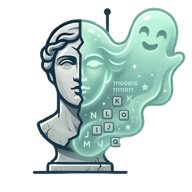
How it looks after participants' data
Process research collects a lot about people: how they type, what they write to each other, when they work. The ToolKit is built so that you can do this research without handling more personal information than you need.
Names are kept apart
When someone signs up, their name and email address go into a separate, encrypted store. Everything else in the system, from keystroke files to chat messages, knows the participant only by a code such as K7M2QA. Researchers see codes, and the chat shows nicknames. A name is looked up only when it is really needed (for example to print a certificate), and that look-up is logged.
Consent, item by item
The consent form is split into items, and the participant agrees to each one separately. The system checks them: for example, chat messages are only copied for analysis if the participant agreed to that item. Every version of the consent text is kept, together with which version each person agreed to.
What Stone Guest records, and what it does not
During a session, Stone Guest records each key press with its time, and which kind of window is in front: the translation, the source text, a search, or something else. Depending on the study's settings it can also record window titles, web addresses and the length of copied text.
It does not record the screen, take screenshots or use the camera or microphone. It does not connect to the internet at all: it saves a file on the participant's computer, and the participant uploads that file themselves. Password fields are never recorded.
Withdrawing
A participant can withdraw at any time. If they ask for their data to be erased, the ToolKit deletes it everywhere it is kept: uploads, questionnaire answers, chat copies, shared-document authorship, recordings. It records that the erasure happened, without keeping what was erased.
When the study ends
Each study has a retention period. When it ends, all names and email addresses of the study's participants are deleted. The research data stay, linked to codes only, so the analysis remains possible but nobody can find out who a code belonged to.
Sharing data
A dataset release gives every participant a brand-new random code that exists only in that release, and changes dates into "days since the study began". Texts written by participants are included only if they agreed to sharing. Before a release is built, the ToolKit checks that no participant code from the study is left anywhere in it, and an Owner has to confirm it.
Who did what
Every change in the panel, every export and every look at identifying information is written to an audit log that nobody can edit or delete. Panel users need a password and a second factor to sign in.
The ToolKit helps you follow your ethics approval and data protection law (KVKK and GDPR), but it does not replace them. Your approved protocol decides what you may collect; the ToolKit makes it easier to collect only that.